
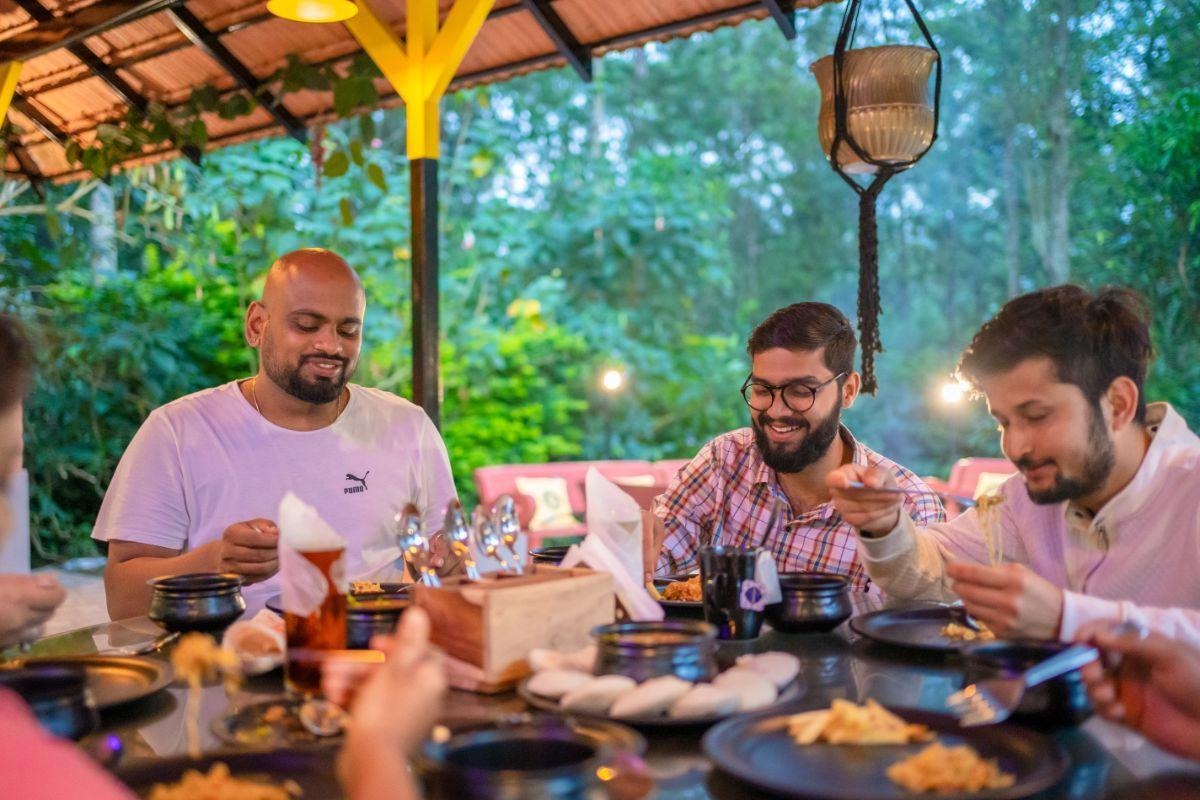

Group backpacking has become one of the most popular ways for young travelers to explore the world. Unlike traditional travel, it focuses not just on destinations, but on shared experiences, social interaction, and flexibility.
For first-time travelers, especially those traveling solo, group backpacking offers a balance between independence and connection—allowing you to explore new places while meeting people along the way.
🌍 What is Group Backpacking?
Group backpacking refers to traveling with others—either:
- People you already know, or
- Travelers you meet during the journey
This often happens organically through:
- Hostels
- Shared tours
- Social travel platforms
Unlike fixed group tours, backpacking groups are:
- Flexible
- Short-term
- Constantly changing
🏠 The Role of Hostels in Social Travel
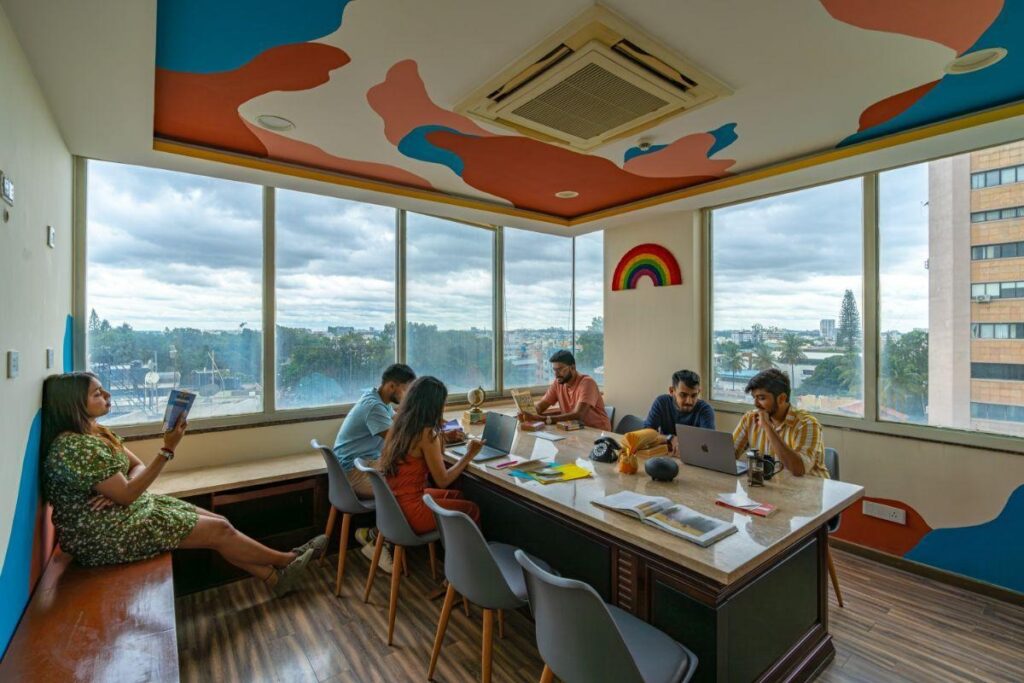

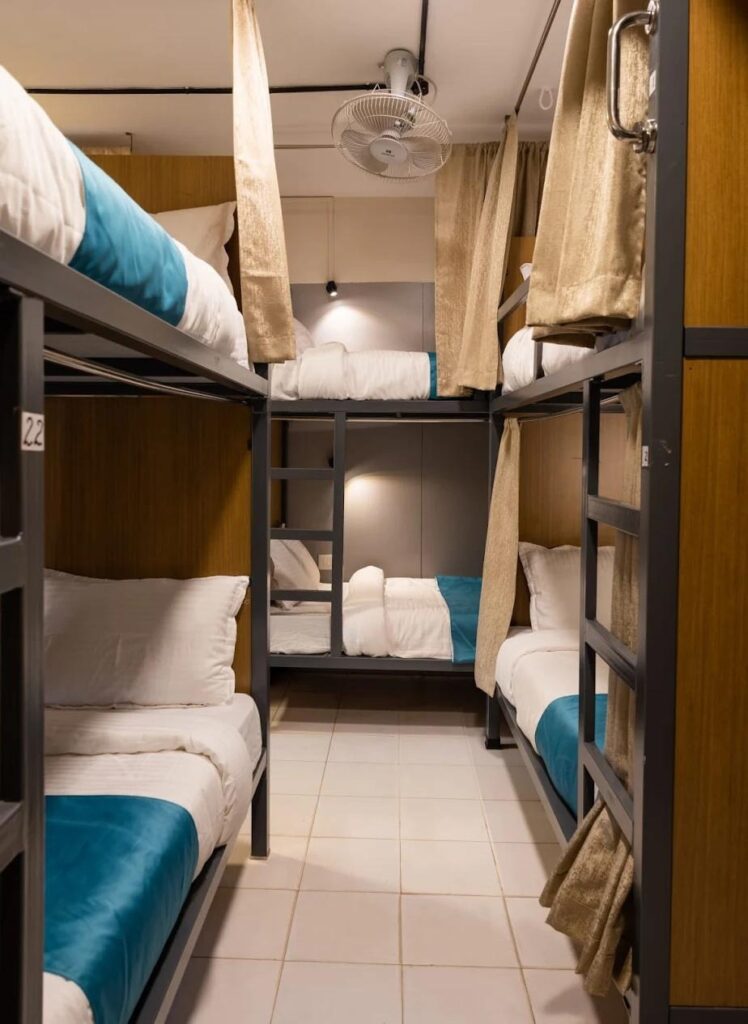

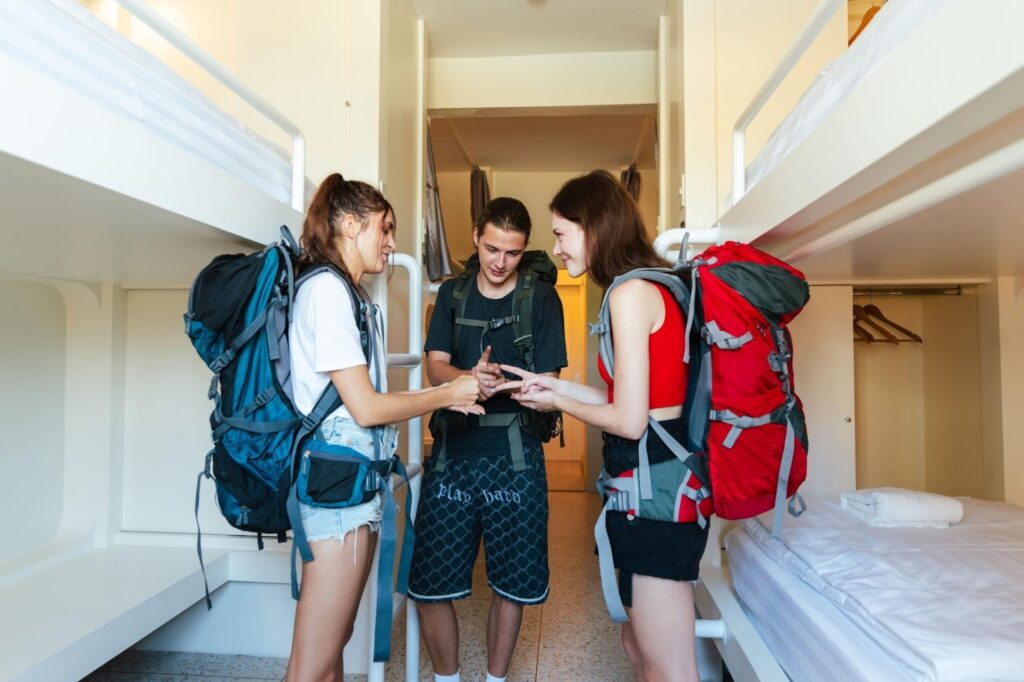
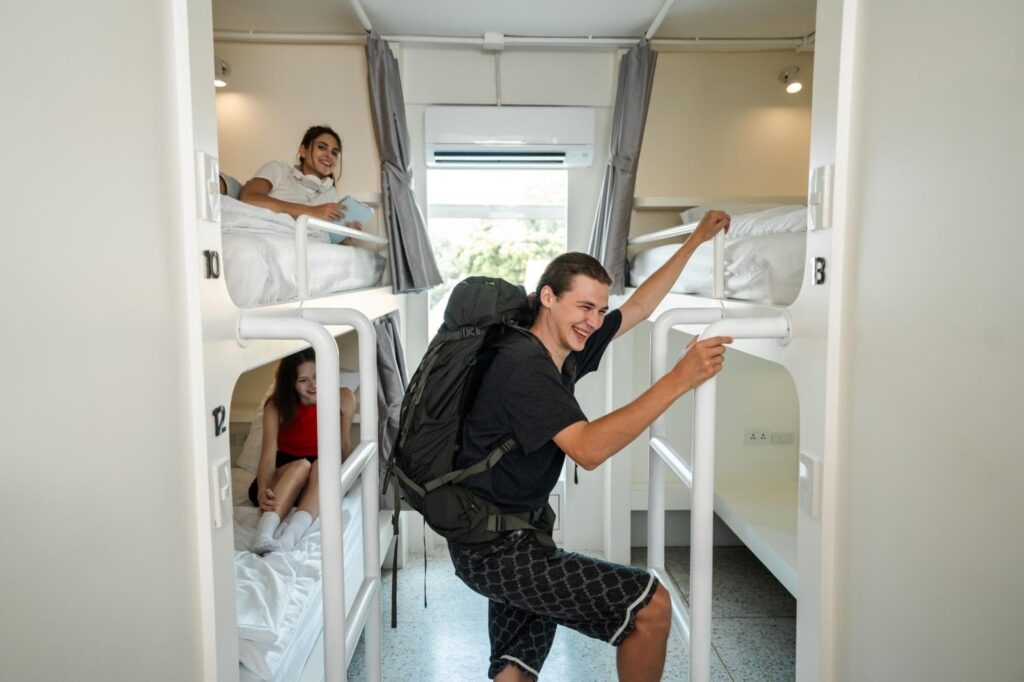
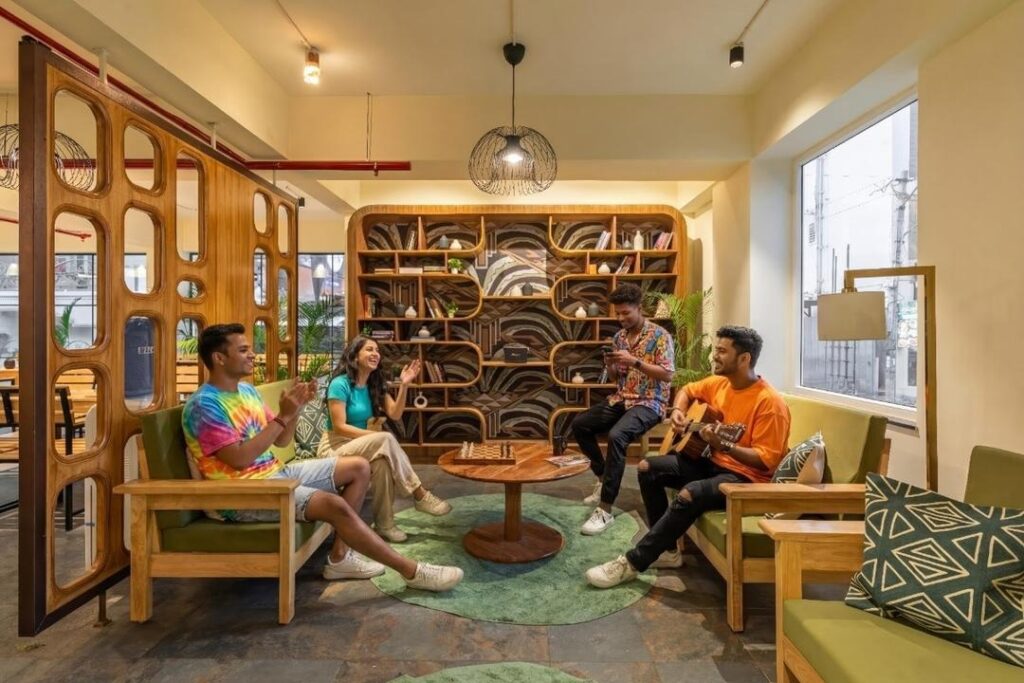
Hostels are central to group backpacking culture.
Why Hostels Work
- Shared spaces (lounges, kitchens, cafés)
- Events such as:
- Walking tours
- Group dinners
- Pub crawls
- Open and social environment
These features naturally encourage interaction, making it easier to meet other travelers.
🤝 How to Meet People While Backpacking
Meeting people while traveling does not require complex planning. Most interactions happen in simple, everyday situations.
Common Ways to Connect
- Starting conversations in hostel common areas
- Joining group activities or tours
- Sharing tables in cafés or coworking spaces
- Traveling on shared transport
Practical Tips
- Keep conversations simple and natural
- Be open to short-term interactions
- Avoid over-planning social experiences
🧭 Best Destinations for Group Backpacking
Certain destinations are known for their strong backpacking communities.
Popular Regions:
- Southeast Asia (Thailand, Indonesia, Vietnam)
- Europe (Spain, Portugal, Netherlands)
- Australia & New Zealand
These places offer:
- Affordable accommodation
- Established hostel networks
- High number of young travelers
🎒 Benefits of Group Backpacking
- Reduces loneliness during solo travel
- Allows shared experiences
- Offers flexibility compared to structured tours
- Creates opportunities for cultural exchange
⚠️ Challenges to Consider
- Not all connections last long
- Group dynamics can change frequently
- Personal plans may shift unexpectedly
💡 It is important to stay adaptable and independent, even while traveling with others.
💰 Budget Considerations
- Hostels: ₹800–₹3000 per night
- Food: ₹300–₹1000 per meal
- Shared activities help reduce costs
Traveling in groups can often make experiences more affordable.
📌 Key Takeaways
- Group backpacking combines independence with social interaction
- Hostels play a key role in connecting travelers
- Experiences are often unplanned and temporary
- Flexibility is essential for making the most of the journey
🧭 Conclusion
Group backpacking offers a unique way to travel—one that prioritizes people as much as places. Through shared environments like hostels and group activities, travelers can build connections that enhance their overall experience.
While not every interaction turns into a long-term friendship, the value lies in the moments shared along the way, making travel more engaging and memorable.